ICOM IC-A25N Handheld NAV/COM Transceiver w/ Bluetooth – Open Box: Portable Aviation Radio
ICOM IC-A25N Handheld NAV/COM Transceiver w/ Bluetooth – Open Box: Portable Aviation Radio
Blog Article
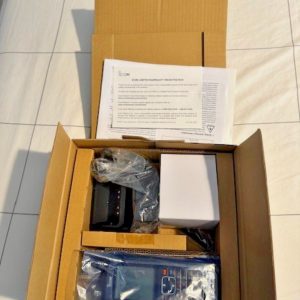
:::writingvariant="document" id="58314" ICOM IC-A25N Handheld NAV/COM Transceiver w/ Bluetooth – Open Box: Versatile Cockpit and Ground Communication The ICOM IC-A25N Handheld NAV/COM Transceiver w/ Bluetooth – Open Box combines user-friendly controls, portable convenience, aviation communication capability, navigation functions, and Bluetooth connectivity. An open-box unit can provide excellent commercial value when the radio, battery, antenna, charger, documentation, and included accessories remain complete and in suitable condition. A dependable ICOM IC-A25N Handheld NAV can become an important part of a pilot’s flight bag by providing portable communication capability whenever installed aircraft equipment is unavailable. The ICOM IC-A25N Aviation Radio is relevant to pilots who need dependable access to aviation frequencies while operating in the cockpit or around an airport. An ICOM IC-A25N Handheld Radio offers mobility that panel-mounted equipment cannot provide, allowing users to communicate from the aircraft, ramp, hangar, or operations area. A Handheld NAV/COM Aviation Transceiver can reduce the need to carry separate portable communication and navigation receivers for certain aviation tasks. Whether pilots need a Handheld Aviation Radio, Aviation NAV/COM Radio, Pilot Handheld Radio, or portable Aircraft Communication Radio, the complete package should be inspected and tested. As an Aviation Communication Device, the radio can provide portable support for cockpit, training, emergency, and ground environments.
Exploring the ICOM IC-A25N NAV/COM Platform
The ICOM IC-A25N is designed to provide aviation communication and navigation-related functionality in a portable enclosure suitable for cockpit, ramp, hangar, training, and emergency use. A handheld NAV/COM platform can serve as primary portable equipment in suitable operations or as supplementary equipment alongside panel avionics. The radio may perform very effectively in some environments while experiencing reduced range inside certain aircraft or buildings. Operators should include the radio in normal equipment checks so batteries, accessories, and settings remain ready for use.Choosing the ICOM IC-A25N Handheld NAV
The ICOM IC-A25N Handheld NAV can support pilots who want portable access to aviation communication and navigation information during flight preparation or cockpit operations. Flight schools can use portable radios to support classroom discussions, ramp communication, operational demonstrations, and backup planning. Navigation features should support rather than replace required pilot preparation, approved navigation equipment, current charts, and appropriate operational judgment. Pilots should avoid burying backup equipment under baggage where it cannot be reached quickly during flight.Benefits of an ICOM IC-A25N Aviation Radio
The radio may be useful to pilots operating aircraft with limited avionics, temporary communication problems, or different cockpit configurations. Maintenance providers may monitor aviation activity while working outside the aircraft or coordinating ground movements. Buyers should consider the radio’s physical condition, battery age, charging equipment, antenna, clips, headset accessories, manuals, packaging, and evidence of proper operation. A functional demonstration can confirm that the radio powers on, accepts charging, responds to controls, displays information, produces audio, and recognizes included equipment.ICOM IC-A25N Handheld Radio Applications
The ICOM IC-A25N Handheld Radio offers portable access to aviation communication functions without requiring permanent aircraft installation, wiring, panel space, or structural modification. Battery contacts, charging ports, headset connections, controls, and the display should remain free from dirt, loose objects, and contamination. Preparation outside the aircraft supports more confident, efficient, and less distracting use during actual operations. Proper storage temperature and periodic charging can help preserve long-term battery and equipment performance.Using a Handheld NAV/COM Aviation Transceiver
A NAV/COM transceiver can support normal operations, training, backup planning, aircraft delivery, and selected ground activities. Buyers should compare interface design, battery options, charging arrangements, antenna quality, accessory availability, display readability, audio performance, and operational needs. The radio should be inspected before every important flight for battery charge, antenna security, control response, display condition, volume setting, and physical damage. After use, the device should be cleaned gently, charged as appropriate, disconnected from unnecessary accessories, and returned to protected storage.Choosing a Handheld Aviation Radio
A Handheld Aviation Radio is a practical tool for private pilots, instructors, students, mechanics, aircraft owners, flight schools, and airport support personnel. A handheld unit is most valuable when charged, accessible, tested, and familiar to the pilot before it is required. Accessories such as approved headset connections or suitable external antenna arrangements may influence convenience and performance. The device should not be used for casual or unnecessary transmissions that could interfere with operational communications.Aviation NAV/COM Radio Applications
A NAV/COM radio may support pilots who need backup communication while also valuing navigation-oriented information and operating flexibility. Menu familiarity, memory organization, display interpretation, audio control, and Bluetooth setup can improve efficient operation. Users should distinguish between convenience features, backup capability, training value, and equipment required for a particular flight. The antenna should be attached properly and protected from interference with controls or cockpit movement.Maintaining a Pilot Handheld Radio
A portable radio can remain with the pilot when changing aircraft, allowing consistent access to a familiar communication device. Pilots should decide before departure where the radio will be located and how it will be retrieved during an abnormal situation. Regular familiarity helps users recognize abnormal operation, weak batteries, damaged controls, or missing accessories early. A battery that appears charged after long storage may not provide the operating duration expected under real conditions.Aircraft Communication Radio Applications
The IC-A25N can become part check here of an organized communication strategy for private pilots and aviation businesses. Clear communication depends on more than radio quality because users must understand procedures, frequencies, terminology, timing, and radio discipline. Moving the radio or antenna within the cockpit may influence reception, but it must remain secure and clear of controls. Users should stop relying on the unit if it displays intermittent function or unexplained shutdowns until the concern is resolved.Portable Aviation Transceiver Applications
The device can support airport ground activities, remote-airfield operations, aircraft inspections, maintenance coordination, and flight preparation. The owner should keep the package organized so no essential component is missing when the radio is needed. A wired backup arrangement may remain useful when Bluetooth accessories lose charge, disconnect, or experience interference. Wireless convenience should not replace disciplined equipment checks and familiarity with standard radio controls.Benefits of an Aviation Communication Device
The ideal device balances functionality with an interface the user understands and can operate confidently. The seller should explain the product’s status and disclose any evidence of use, missing materials, registration, or cosmetic handling. Aviation businesses should establish procedures for cleaning shared microphones, headsets, controls, and surfaces where appropriate. A well-managed Aviation Communication Device can support efficient and dependable operations across many aviation roles.Choosing a Handheld Aircraft Radio
A Handheld Aircraft Radio can provide useful communication capability both inside the cockpit and around the aircraft during maintenance, preflight, towing, fueling, or operational preparation. The radio provides practical value wherever access to aviation communication is useful away from a powered instrument panel. Cockpit use requires secure storage and careful cable management so the radio does not interfere with flight controls, doors, seat adjustment, or emergency movement. The radio should be cleaned only with suitable methods that do not damage the display, housing, seals, labels, or controls.Aviation Navigation Radio Applications
An Aviation Navigation Radio can support pilot situational awareness by providing portable access to compatible navigation-related functions and information. Competent use comes from practice, realistic expectations, and integration with established navigation procedures. Pilots remain responsible for route planning, weather evaluation, airspace awareness, fuel management, and safe aircraft control. Users should remove outdated memories or clearly organize frequencies to reduce confusion during operation.Maintaining an ICOM Pilot Radio
The radio may also suit instructors, aircraft technicians, flight departments, and airport operations personnel who require portable communication equipment. An open-box unit may have excellent value, but the buyer should verify the package rather than relying solely on the model name. Businesses may value durability, accessory replacement, consistent training, and the ability to assign one radio across several users. A protective case and consistent charging routine can help preserve the equipment and prevent missing accessories.Choosing an Emergency Aviation Radio
A handheld radio may support a pilot’s response to an abnormal situation by providing portable communication capability independent of the main panel system. The pilot should understand how portable-radio range may differ from normal aircraft communication equipment. Pilots should evaluate whether the radio can be heard clearly in the noise environment of their aircraft. Battery packs should be replaced when capacity declines, physical damage appears, charging becomes unreliable, or the manufacturer’s guidance indicates replacement.Maintaining a Backup Aircraft Radio
Backup equipment can be particularly valuable during cross-country operations, aircraft delivery, training, rental flying, or travel in older aircraft. Pilots should confirm charge status, antenna attachment, audio output, Bluetooth pairing, memory organization, and accessibility. Each audio method should be tested in advance under realistic cockpit noise conditions. Backup planning should also consider how the aircraft will be flown, navigated, and managed while the pilot is using the portable radio.Buying an Open-Box ICOM IC-A25N
A careful physical review helps determine whether the product condition matches the seller’s open-box description. Missing accessories can increase final cost and may prevent the radio from being used as expected immediately after delivery. Battery behavior should be observed for unusual heat, rapid discharge, charging failure, physical swelling, or poor connection. The buyer should inspect the radio promptly after delivery and report any missing items, damage, or functional concerns according to the agreed terms.Long-Term Ownership of an ICOM IC-A25N
The radio should be inspected according to usage frequency, storage duration, operating environment, and the importance of its backup role. Inspection frequency may need to increase when the device is shared, carried daily, used outdoors, exposed to maintenance environments, or stored in an aircraft.- Confirm that the device powers on, responds correctly, holds charge, produces clear audio, and remains properly configured.
- Keep the operating guide or a simple quick-reference resource accessible until important functions are fully familiar.
- Protect the equipment from extreme temperature, direct sunlight, moisture, fuel, oil, cleaning chemicals, heavy tools, and accidental impact.